

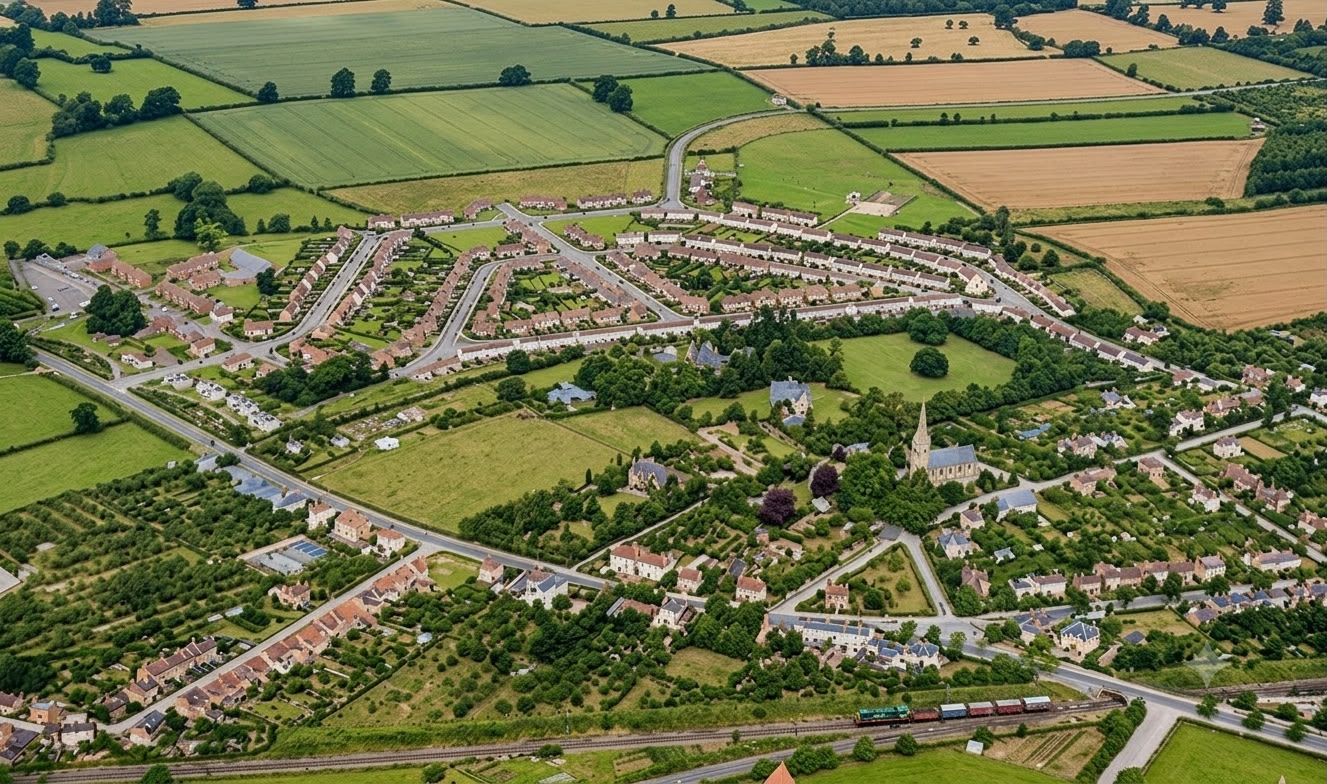
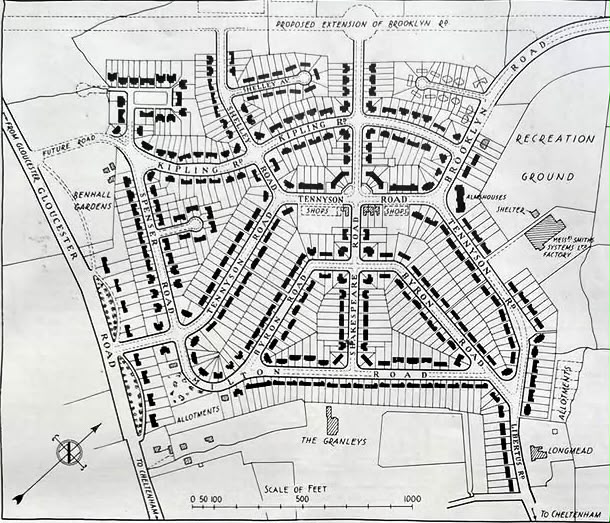
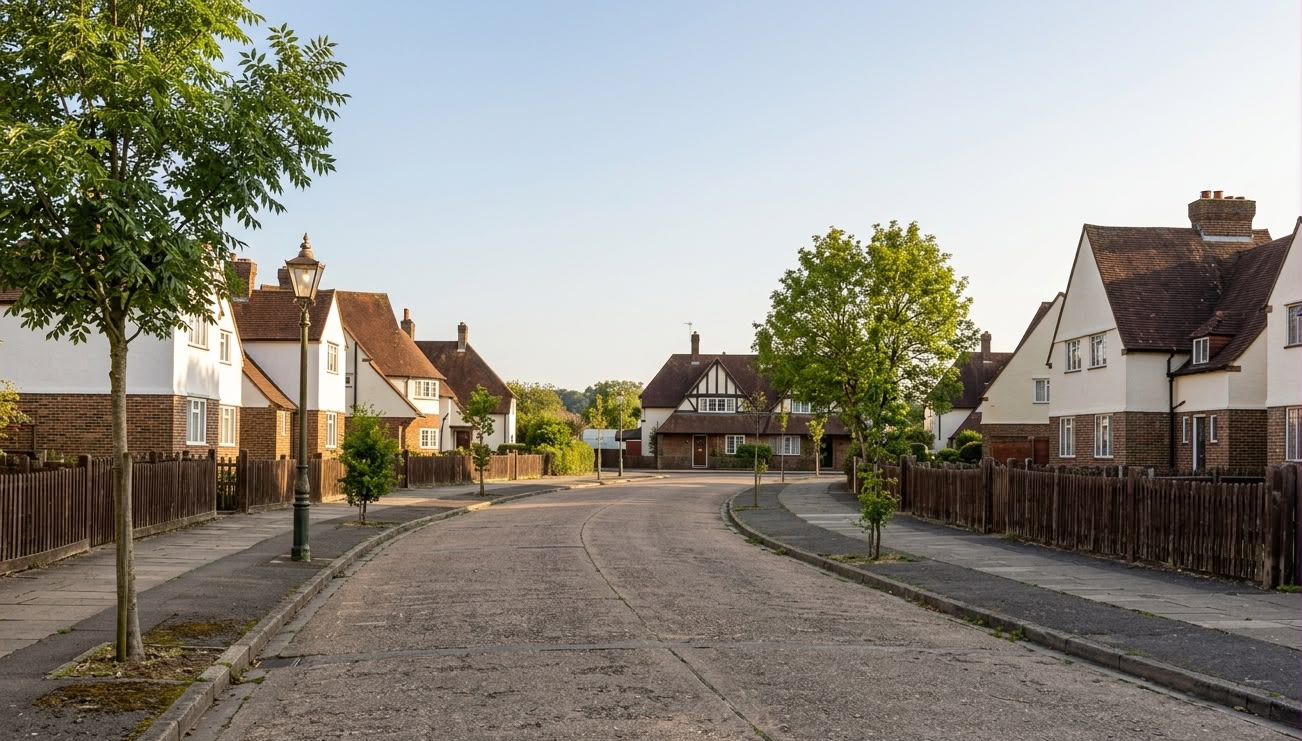
How Cheltenham turned the post-war promise of “Homes Fit for Heroes” into a carefully planned neighbourhood on the St Mark’s estate, also known as the Poet’s estate.
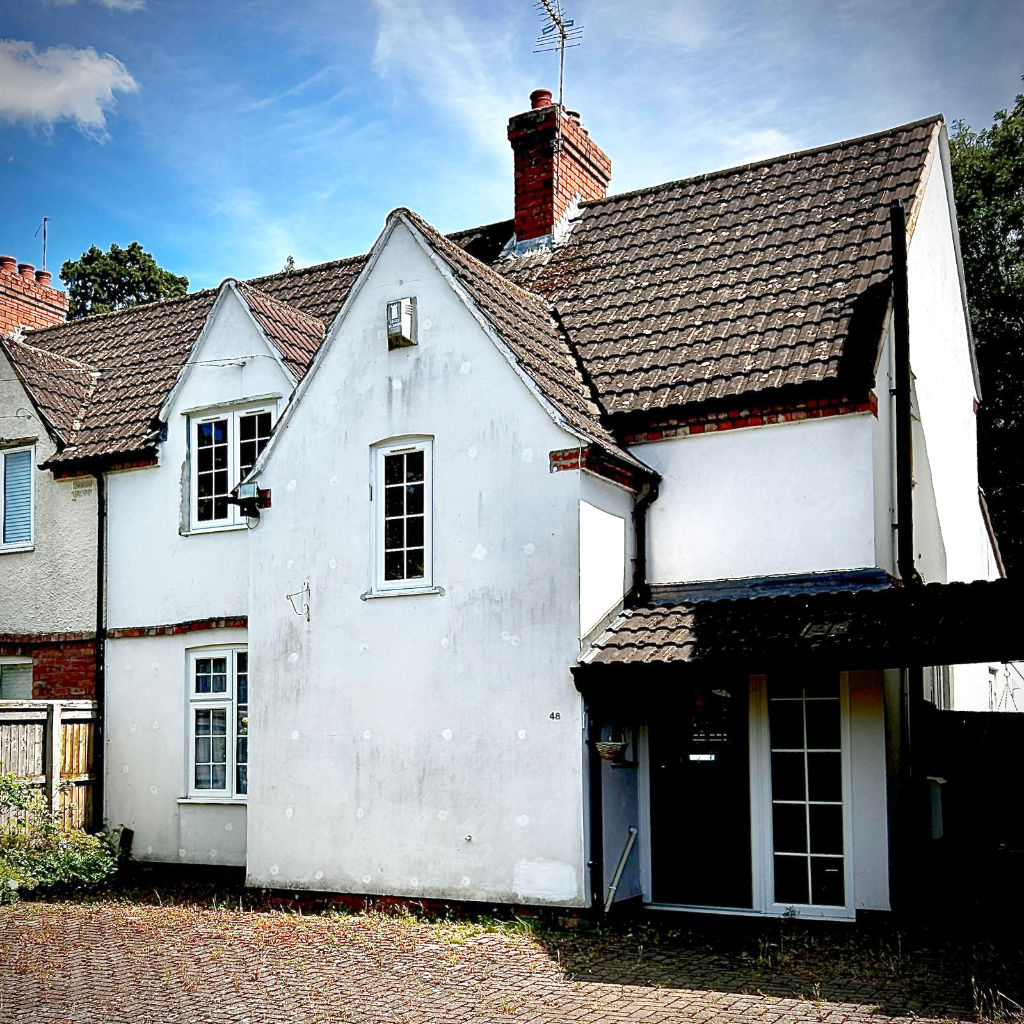
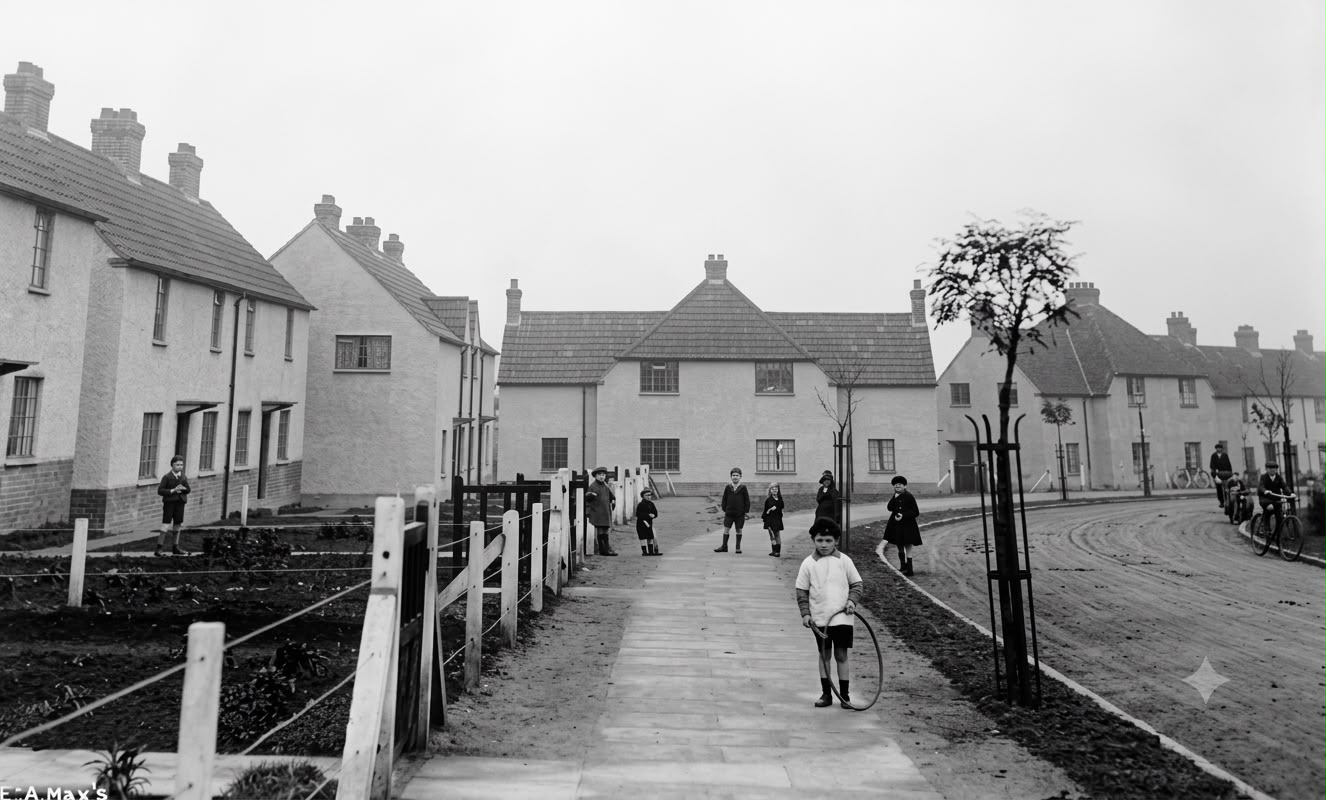
The Borough Council bought land from the Arle Court estate in 1919, and the first houses were ready by January 1921. This was more than a building programme: it marked a new civic commitment to providing well-designed homes for ordinary families at a moment of acute housing need.
The Addison Act of 1919 gave local government a new responsibility for house building and helped turn national housing policy into local action. Britain faced a severe shortage after the First World War, and public subsidies allowed councils such as Cheltenham to build homes at a scale and standard the private sector could not then provide.
The estate also embodies the ideals behind Lloyd George’s 1918 promise of “Homes Fit for Heroes” and the 1918 Tudor Walters Report, which argued for better quality as well as greater quantity in new housing. Its Arts and Crafts influence, wide tree-lined streets, varied house types, and generous gardens show how national reform took on a distinctive local form, with Cheltenham Borough Council assuming the new roles of planner, builder, and municipal landlord.
Although the initial funding under the 1919 Act did not last, building continued under later housing legislation until 1933. The result was an estate shaped by both public purpose and changing economic realities, with some later houses built for private sale.
Britain’s public housing programme grew out of the unsettled years after the First World War. Across Europe, governments were falling, borders were being redrawn, and revolutionary movements were challenging the political order.
British politicians watched these events closely, particularly after the Russian Revolution of 1917 and the revolutionary upheavals in Germany, Hungary and Bavaria in 1919. There was civil war in Ireland too. Housing became part of a wider question about how democratic government could respond to public pressure and social change.
In Britain, demobilisation, inflation, unemployment and industrial unrest gave that question urgency. Better homes were seen not only as a matter of health and comfort, but as a visible promise that ordinary families would share in the peace that followed war.
The Poet’s Estate was a local example of national reconstruction. Its streets, gardens, and family houses reflect a practical civic belief that good homes can support healthier lives, stronger communities, and a more stable democracy.